How Many Fish Can Live in a 10-Gallon Tank?
A 10-gallon tank can hold 5–8 small fish, 1 betta, or 1–2 dwarf cichlids, but the species and filtration matter more than the number.
A 10-gallon tank is the most popular starter aquarium sold in pet stores, and it's also one of the most commonly overstocked. Beginners often leave the fish store with six or seven fish for a tank that can realistically support three or four healthy long-term. The result: ammonia spikes, sick fish, and frustration.
The short answer is that a 10-gallon tank can hold 5–8 small schooling fish (like neon tetras or guppies), 1 betta fish in a solo setup, or 1–2 dwarf cichlids like apistogrammas. What it cannot hold is goldfish, oscars, or any fish that grows larger than 3 inches as an adult.
The Real Limit: Bioload, Not Body Count
The number of fish your 10-gallon tank can support depends on bioload (how much ammonia waste the fish produce), not just how many fish are swimming around. Ten neon tetras produce far less waste than two goldfish, even though the goldfish are "only" two fish.
Here's a quick reference for common 10-gallon stocking options:
| Fish Species | Recommended Count | Notes |
|---|---|---|
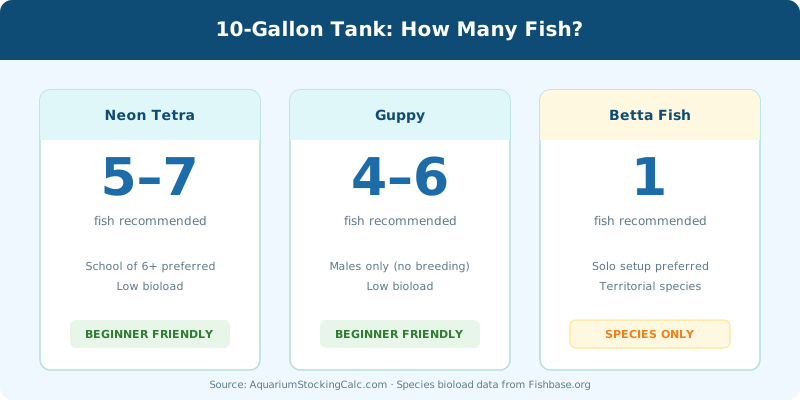
| Neon / Cardinal Tetra | 5–7 | School of at least 6 |
| Guppy | 4–6 | Males only to avoid breeding |
| Betta Fish | 1 | Solo; no tankmates with flowing fins |
| Harlequin Rasbora | 5–6 | Peaceful, easy to care for |
| Zebra Danio | 4–6 | Active schoolers |
| Corydoras Catfish | 2–3 | Bottom dwellers, keep in groups |
| Dwarf Puffer | 1–2 | Aggressive, species-only tank |
| Goldfish | 0 | Minimum 20 gallons per fish |
Use our aquarium stocking calculator to get a precise fish count based on your specific setup; filtration quality and live plants make a real difference.
Filtration Is Non-Negotiable
A 10-gallon tank needs a filter rated for at least 20–50 GPH (2–5× turnover) to maintain stable water chemistry with any fish at all. The cheap under-gravel filters that ship with budget starter kits are often inadequate for anything but the lightest stocking.
For a 10-gallon planted community tank, a hang-on-back filter rated for 20-gallon tanks works well and costs under $20. Sponge filters driven by a small air pump are excellent for betta tanks and bare-bottom hospital tanks.
Without adequate filtration, even 3 small fish can overwhelm a 10-gallon tank within days of the nitrogen cycle completing. Ammonia above 0.5 ppm causes gill damage and chronic stress; the fish look "fine" until they suddenly aren't.
What About a Betta in a 10-Gallon?
A 10-gallon is actually a generous home for a single betta fish. Bettas are often sold in cups or kept in 2.5-gallon tanks, but they're genuinely healthier in 5–10 gallons with a gentle filter and some hiding spots.
The catch: bettas are territorial and can be aggressive toward fish with flowing fins or similar coloration. Safe tankmates in a 10-gallon include bottom-dwelling corydoras (2–3), small snails, and shrimp (if the betta's temperament allows). Avoid guppies, paradise fish, or any brightly colored fish, as the betta will often attack them.
Goldfish in a 10-Gallon: A Common Mistake
Single-tail goldfish (common, comet, shubunkin) are sold in small bags and often bought as "starter fish," but they're completely wrong for a 10-gallon tank. A single common goldfish needs a minimum of 20–30 gallons of actual water volume, with 10 additional gallons per additional fish.
Fancy goldfish (oranda, ranchu, ryukin) produce less waste than single-tails but still need 20 gallons minimum per fish. A 10-gallon goldfish tank is almost always chronically overstocked within weeks as the fish grow, leading to stunted growth and frequent disease.
The Nitrogen Cycle and Your 10-Gallon
Before adding any fish, your tank needs to complete the nitrogen cycle, the process by which beneficial bacteria establish colonies in your filter media that convert toxic ammonia to harmless nitrate. This takes 4–6 weeks in a new tank.
Without a cycled tank, even 3 small fish can die from ammonia toxicity within days. Test your water with a liquid test kit (API Master Test Kit is the standard) before adding fish. You want: ammonia 0 ppm, nitrite 0 ppm, nitrate under 20 ppm.
Read our full guide on the nitrogen cycle before setting up your first tank. It's the single most important concept in fishkeeping.
The Best First Fish for a 10-Gallon
If you're setting up your first 10-gallon tank, here's a beginner-friendly stocking plan that works reliably:
Option 1: Classic Community - 6 neon tetras - 3 corydoras catfish - 1 small algae eater (otocinclus)
Option 2: Betta Tank - 1 betta fish - 3 corydoras catfish - A few nerite snails for algae control
Option 3: Single-Species Schooling Tank - 7–8 harlequin rasboras - Clean, minimalist setup; very forgiving for beginners
These plans keep bioload low enough that a mid-range HOB filter and a 25% weekly water change will maintain stable water parameters. Start with the fish, wait 2–3 weeks, test water, then decide whether to add more.
For a wider list of compatible starter species and what each one needs, check our guide to the best freshwater fish for beginners.
How Many Fish Is Too Many?
The clearest sign that your 10-gallon is overstocked: ammonia readings above 0 ppm between water changes, fish gasping at the surface, cloudy water, or frequent disease outbreaks. Any one of those symptoms means the tank can't process the waste being produced.
If you're already overstocked, your options are: rehome some fish, upgrade to a larger tank, add a second filter, or significantly increase water change frequency. There's no shortcut. The chemistry doesn't lie.
Use the aquarium stocking calculator to find a sustainable fish count for your tank size, filtration, and plant setup before your next trip to the fish store.
AquariumStockingCalc Team
We build accurate, science-based aquarium calculators for hobbyists and professionals.
Related Guides
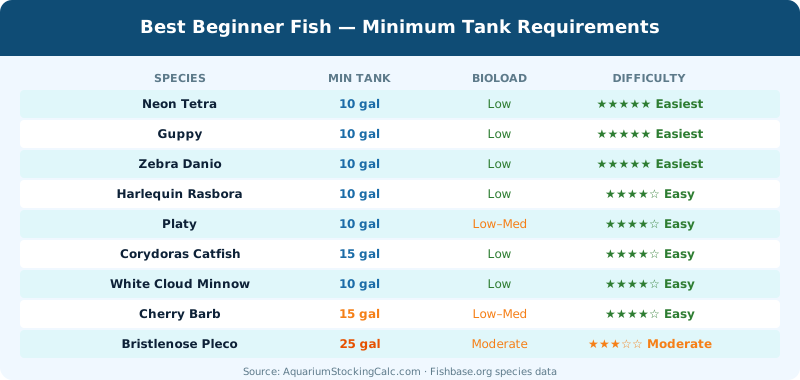
10 Best Freshwater Fish for Beginners (With Tank Requirements)
The best beginner fish are hardy, peaceful, and forgiving of minor water che…
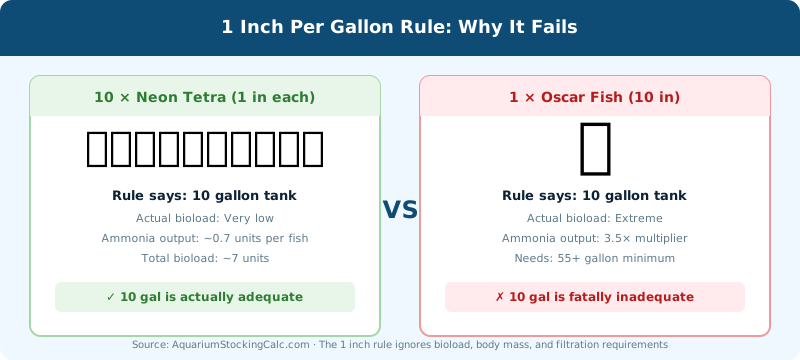
Why the 1 Inch Per Gallon Rule Is Dangerously Wrong
The 1-inch-per-gallon rule was never based on science. It ignores bioload, f…
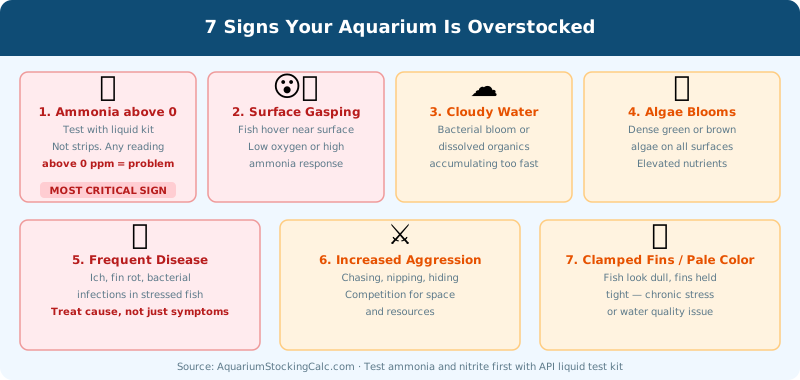
7 Signs Your Aquarium Is Overstocked (And How to Fix It)
Cloudy water, fish gasping at the surface, frequent disease: these are class…