Why Goldfish Need More Space Than You Think: Tank Size Guide
A goldfish in a bowl is a goldfish that will die young. Single-tail goldfish need 20–30 gallons each plus heavy filtration. Here is what goldfish actually need.
Goldfish are the most mistreated fish in the hobby. They're sold in tiny bags, marketed as "starter fish," displayed in bowls at fairs, and routinely kept in tanks that are a fraction of what they need. Most pet store goldfish die within a year, not because goldfish are fragile, but because the conditions they're kept in are incompatible with life.
A properly kept goldfish can live 15–25 years. The oldest documented goldfish (Tish, a UK carnival fish) lived to 43. The fish isn't the problem. The conditions are.
Why Goldfish Need So Much Space
Goldfish produce an exceptional amount of waste relative to their body size. Their digestive system is inefficient; they lack a true stomach and pass waste continuously. A single common goldfish produces roughly 3–4× more ammonia than an equivalent-weight tropical fish. This is why our aquarium stocking calculator assigns goldfish a bioload multiplier of 3.0, far higher than most species.
That waste load means your tank and filter need to be significantly larger than you'd expect for the fish's body size. In inadequate filtration, ammonia accumulates quickly enough to cause chronic gill damage, stunted growth, and early death.
Additionally, common goldfish (feeder goldfish, comet goldfish, common goldfish) grow to 10–12 inches in proper conditions and are genuinely active swimmers that need horizontal swimming space. They're pond fish by nature; a 10-gallon tank is like putting a labrador in a studio apartment.
Minimum Tank Sizes by Goldfish Type
Not all goldfish are created equal. The major categories have different space requirements:
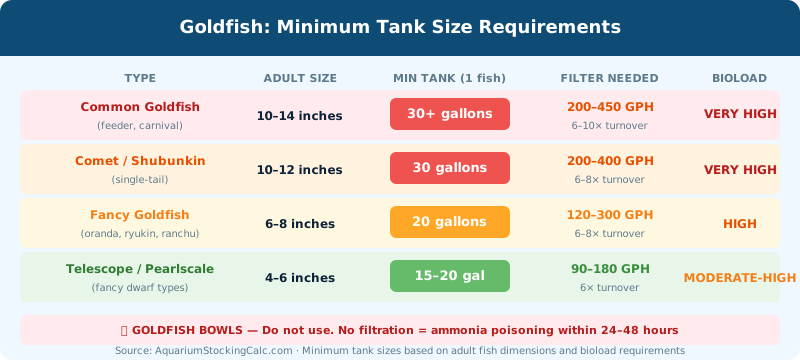
Single-tail goldfish (common, comet, shubunkin): - Grow to 10–14 inches as adults - Minimum: 30 gallons for 1 fish; +10 gallons per additional fish - Ideally kept in ponds; long-term aquarium keeping requires 55–75+ gallons for 2 fish - Need 6–10× filtration turnover due to high bioload
Fancy goldfish (oranda, ryukin, ranchu, black moor, telescope): - Grow to 6–8 inches as adults - Minimum: 20 gallons for 1 fish; +10 gallons per additional fish - Less active swimmers than single-tails; more suitable for aquariums - Need 6–8× filtration turnover; slow-moving fancy varieties can't always reach fast-moving food
Fancy dwarf goldfish (pom-pom, pearlscale): - Grow to 4–5 inches as adults - Minimum: 15–20 gallons for 1 fish - Most practical for small aquariums, but still high bioload producers
| Goldfish Type | Adult Size | Min Tank (1 fish) | Min Tank (2 fish) | Filter Needed |
|---|---|---|---|---|
| Common / Comet | 10–14 in | 30 gal | 40–50 gal | 200–450 GPH |
| Shubunkin | 10–12 in | 30 gal | 40 gal | 200–400 GPH |
| Oranda / Ryukin | 6–8 in | 20 gal | 30 gal | 120–300 GPH |
| Ranchu | 5–7 in | 20 gal | 30 gal | 120–240 GPH |
| Telescope | 5–6 in | 15–20 gal | 25–30 gal | 90–180 GPH |
Why Goldfish Bowls Kill Goldfish
Goldfish bowls (no filter, no aeration, 1–5 gallons) are animal welfare failures. Here's the chemistry:
A single 4-inch goldfish in a 1-gallon bowl with no filter produces enough ammonia to reach toxic levels (0.5+ ppm) within 24–48 hours. Without a nitrogen cycle, there are no bacteria to process that ammonia. The fish exists in a slow poisoning, which is why "fair fish" often die within weeks, and why goldfish kept in bowls develop the hunched, lethargic posture of fish in chronic distress.
Even with daily water changes, a bowl is too small to maintain stable water temperature and chemistry. The fish survive, barely. They don't thrive.
What Goldfish Actually Need
Tank size: Per the chart above. For common goldfish long-term: a 55-gallon tank for two fish, or a pond.
Filtration: Heavy filtration is non-negotiable for goldfish. A canister filter rated for 6–8× turnover is standard. A 20-gallon fancy goldfish tank needs 120–160 GPH minimum. Many serious goldfish keepers run two filters on the same tank.
Our aquarium filtration guide covers how to choose and size a filter. The heavy filtration recommendations in that guide apply specifically to goldfish.
Water changes: 30–50% water changes weekly are standard for goldfish tanks. Their high bioload means nitrate accumulates quickly even in properly filtered tanks. Twice-weekly changes are often needed in heavily stocked goldfish setups.
Substrate: Smooth pea gravel or bare bottom. Goldfish root around in substrate while feeding and can swallow small gravel, causing impaction. Fine sand and coarse gravel over 1/4 inch are safe; medium gravel is risky.
Temperature: Goldfish are cold-water fish comfortable at 60–72°F. They can tolerate higher temperatures short-term but do not thrive long-term above 75°F. No heater is needed in most homes; avoid placing goldfish tanks near heaters or windows.
Diet: Goldfish are omnivores and will eat almost anything, but a diet high in plant material is healthier than protein-heavy tropical fish food. Quality pellet foods (gel foods are excellent for digestive health) outperform flake foods; flakes introduce a lot of air that contributes to buoyancy problems in fancy varieties.
Can You Keep Goldfish With Other Fish?
Common goldfish: generally no. Their temperature requirements (cool water) and eventual size make them incompatible with most tropical fish. They'll eat anything that fits in their mouth and can be aggressive at feeding time.
Fancy goldfish: possible with care. They can share tanks with other cold-tolerant, medium-to-large peaceful fish that won't nip their flowing fins. White cloud mountain minnows are often suggested, but the temperature overlap is limited. Most serious goldfish keepers keep species-only tanks.
If you're committed to goldfish, commit to the tank size they need. A properly kept fancy goldfish in a 30-gallon tank with a quality canister filter is a beautiful, engaging pet that can live as long as a cat. Run the numbers with our aquarium stocking calculator before you buy.
AquariumStockingCalc Team
We build accurate, science-based aquarium calculators for hobbyists and professionals.
Related Guides
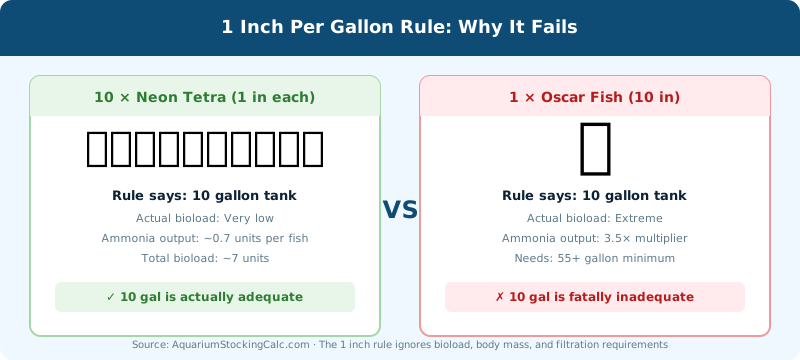
Why the 1 Inch Per Gallon Rule Is Dangerously Wrong
The 1-inch-per-gallon rule was never based on science. It ignores bioload, f…
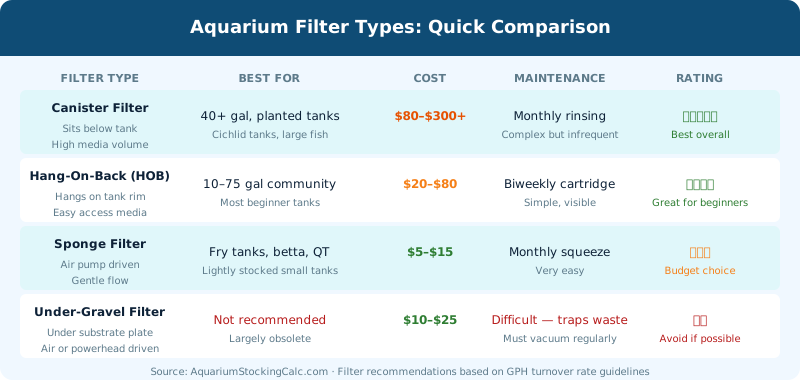
Aquarium Filtration Guide: How to Choose the Right Filter
Your filter is the most critical piece of aquarium equipment. Here is how to…
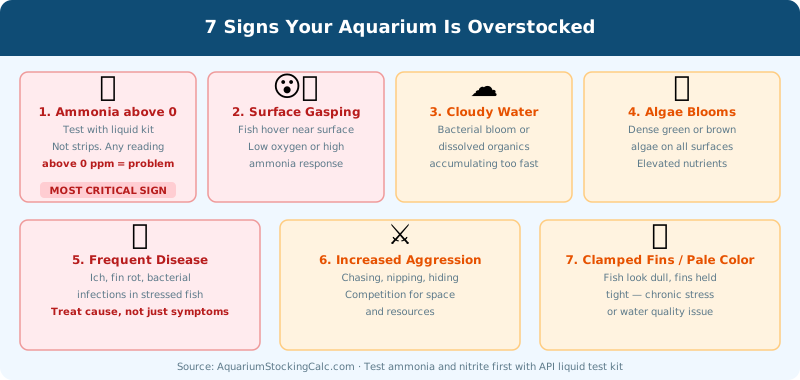
7 Signs Your Aquarium Is Overstocked (And How to Fix It)
Cloudy water, fish gasping at the surface, frequent disease: these are class…